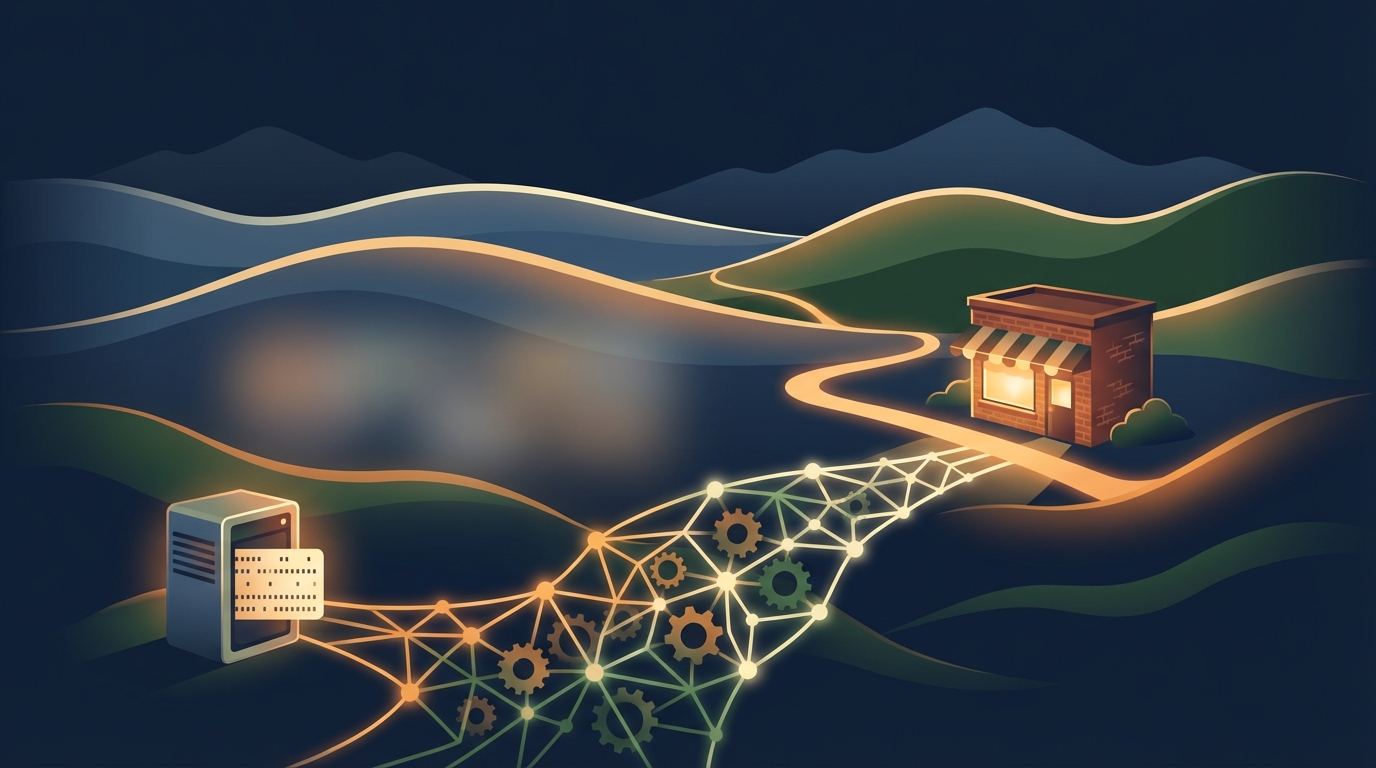
Anthropic's COBOL Tool Tanks IBM Stock — What It Means for You
Anthropic just shook the mainframe world
On February 23, Anthropic announced that its Claude Code tool can now modernize legacy COBOL codebases — mapping dependencies, documenting workflows, and identifying risks across thousands of lines of code. IBM’s stock dropped 13% the same day, its worst single-day loss since 2000, wiping over $31 billion from its market value.
The reaction was swift because it struck at the heart of IBM’s mainframe business. COBOL — a programming language developed in the late 1950s — still runs critical systems at banks, airlines, government agencies, and retailers. For decades, the sheer complexity of migrating those systems kept IBM’s mainframe revenue untouchable. In January 2026, IBM reported its highest mainframe revenue in 20 years.
Then Anthropic said its AI could do what armies of consultants have struggled to accomplish: modernize COBOL in quarters instead of years.
What actually happened
Anthropic released a Code Modernization Playbook alongside the announcement. The pitch: Claude Code can analyze legacy COBOL codebases, map dependencies that “would take human analysts months to surface,” and help teams plan and execute migrations to modern platforms.
The market’s reaction hit more than just IBM. Accenture and Cognizant shares also fell, since both companies generate significant revenue from legacy system consulting — the slow, expensive kind that AI threatens to disrupt.
IBM pushed back. “New AI tools emerge every week, including our own,” the company said. “What they do not change is the fundamental engineering challenge of running mission-critical workloads at scale.” IBM pointed out that translating COBOL is the easy part — the real challenge is redesigning data architecture, replacing runtimes, and maintaining transaction processing integrity built over decades.
They have a point. Research suggests AI-generated code still contains roughly 60% more errors than human-written code. IBM’s Z-series mainframes process 25 billion encrypted transactions daily with near-100% uptime. You don’t swap that out with a blog post announcement.
Why this matters beyond Wall Street
Here is where most coverage misses the mark. The COBOL story is not really about COBOL. It is about what happens when AI makes modernization affordable.
As Infosys chairman Nandan Nilekani put it: “AI means the cost of rewriting legacy apps has become affordable.” That statement does not just apply to Fortune 500 banks running mainframes. It applies to the restaurant still managing inventory in a spreadsheet from 2012. The HVAC company whose scheduling lives in a desktop app that only runs on Windows 7. The retailer whose point-of-sale system cannot talk to their online store.
Small businesses have their own legacy systems. They are not written in COBOL, but they are just as stuck.
The difference is scale. A bank might spend $50 million on a COBOL migration. A small business spends $0 on modernizing their systems — because the cost was never justifiable. Until now.
The modernization wave is reaching Main Street
The same AI capabilities that let Anthropic analyze decades-old COBOL are being packaged into tools that small businesses can actually use. Modern AI agents can:
- Replace manual intake processes with conversational AI that qualifies leads and books appointments around the clock
- Automate scheduling and dispatch for service businesses that still coordinate jobs by phone and whiteboard
- Handle review management across multiple platforms without hiring a social media manager
- Generate content and marketing materials from simple voice recordings instead of expensive agencies
This is not theoretical. 88% of businesses now use AI in some form, but only 6% are seeing real results. The gap is not about access to AI — it is about applying it to the specific legacy processes that hold your business back.
Our take
The market overreacted to Anthropic’s announcement. IBM’s mainframes are not going anywhere soon. Their Z-series hardware processes a volume of transactions that cloud alternatives still cannot match, and the global mainframe market is projected to grow 8% annually through 2033.
But the overreaction reveals something real: investors understand that AI is fundamentally changing the economics of modernization. What used to require years of consulting and millions in budget can now be scoped, planned, and partially executed with AI assistance.
For small businesses, that shift matters more than any stock ticker. Here is why:
- The cost barrier is falling. AI tools are making it practical to modernize workflows that were “too small to bother with” — exactly the kind of systems most small businesses run.
- You do not need a big-bang migration. Unlike a bank replacing its entire mainframe stack, a small business can modernize one process at a time. Start with your biggest pain point.
- The consulting model is changing. Instead of hiring a firm for a six-month assessment, you can work with AI-first teams that move faster and cost less.
The bottom line: The COBOL story is a signal, not a blueprint. The real takeaway for small businesses is that AI-powered modernization is no longer reserved for enterprises with enterprise budgets.
What you should do
You probably don’t run COBOL. But you almost certainly run something that should have been replaced years ago. Here is how to act on this trend:
- Audit your legacy pain points. What process in your business still depends on outdated software, manual workarounds, or that one employee who “knows how the system works”? That is your COBOL.
- Start with one modernization. Do not try to overhaul everything. Pick the process that costs you the most time or money — missed calls, manual scheduling, paper-based intake — and modernize that first.
- Evaluate AI-first solutions. The same AI revolution that threatened IBM’s stock is producing tools built for businesses your size. AI employees can handle customer calls, manage reviews, and coordinate scheduling without the overhead of traditional software implementations.
Watch for
- Falling integration costs. As AI modernization tools mature, expect the cost of connecting old systems to new ones to drop significantly through 2026 and 2027.
- Industry-specific AI tools. The COBOL tool was built for enterprise code. Expect similar specialized tools for restaurant operations, contractor dispatch, and retail management within the next 12 months.
The modernization window is open
Anthropic’s COBOL announcement did not kill the mainframe. But it did confirm what has been building for months: AI is making it cheaper and faster to leave outdated systems behind, no matter your size.
For small businesses in Appalachia and beyond, the question is no longer “can we afford to modernize?” It is “can we afford not to?” The businesses that move first — even with small, targeted upgrades — will have a compounding advantage over those that wait.
If your business is ready to replace a legacy process with something that actually works, get in touch. We help small businesses modernize with AI — one practical step at a time.